Introduction
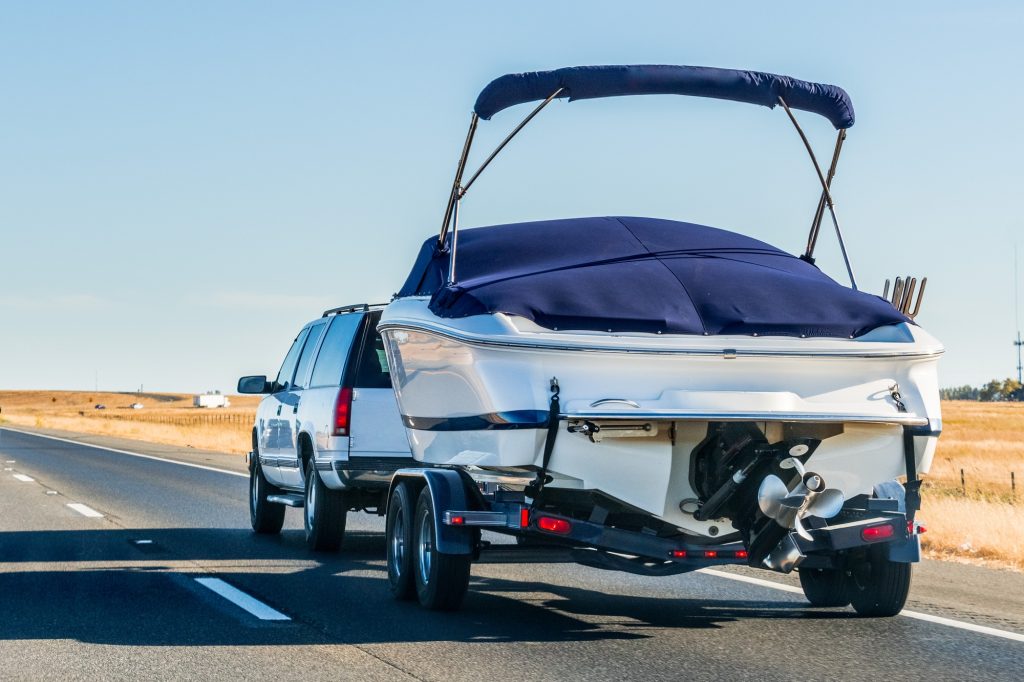
If you’re planning to tow a caravan, trailer, or horsebox in the UK, it’s essential to understand the laws that govern towing. Failure to comply not only risks fines and penalty points but could also invalidate your insurance.
In this guide, we’ll break down the key towing laws, from licence requirements and weight limits to speed restrictions and essential equipment.
Do You Need a Towing Licence?
In the UK, whether you need a specific towing licence depends on when you passed your driving test.
- Before 1 January 1997: Drivers can generally tow a vehicle and trailer with a combined weight of up to 8,250kg.
- After 1 January 1997: Drivers are limited to vehicles and trailers with a combined weight of up to 3,500kg. To tow heavier, you’ll need to take a B+E test.
It’s crucial to check your driving licence categories before towing.
Weight Limits and Vehicle Capacity
Every vehicle has a Maximum Authorised Mass (MAM) which dictates how much it can legally tow. Exceeding this weight is illegal and unsafe. You’ll find towing capacity information in your vehicle handbook or manufacturer specifications.
Safe towing isn’t just about staying within limits — it’s about balance. Overloading or uneven loading can cause swaying, instability, or tyre blowouts.
Towing Speed Limits
Towing vehicles are subject to different speed limits than standard cars:
- 60 mph on motorways and dual carriageways
- 50 mph on single carriageways
- No towing is allowed in the outside lane of a motorway with three or more lanes, unless overtaking.
Essential Safety Equipment
UK law requires specific safety equipment when towing:
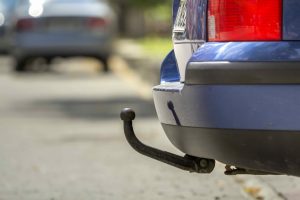
- Towbar: Must be EC type-approved for vehicles registered after 1998.
- Mirrors: You must have towing mirrors if your trailer or caravan is wider than your car.
- Number Plates: Must be visible on the trailer, matching the towing vehicle’s registration.
- Breakaway Cable: Mandatory for trailers with brakes, it engages the brakes if the trailer detaches.
Tips for Safe Towing
Beyond the legal requirements, safe towing comes down to good practice:
- Distribute weight evenly in the trailer or caravan.
- Check tyre pressures before every journey.
- Practice manoeuvring and reversing in a safe area.
- Take regular breaks on long journeys to check connections.
Conclusion
Towing can be safe, enjoyable, and stress-free — as long as you follow the law and prepare correctly. By understanding licence rules, weight limits, and safety equipment, you’ll stay compliant and confident.
Unsure about your towing setup? Contact our experts today for guidance and professional installation.